
Treatment Principles and Herbal Selections for Spirit and Mind Disorders in Chinese Medicine
Traditional Chinese Medicine (TCM) interprets emotional, cognitive, and behavioral disorders—known as spirit and mind illnesses—not merely as mental or neurological problems. Their origins lie in imbalances of the organs and disruptions of qi and blood. Effective treatment therefore addresses the whole body and mind, not just mood.

TCM treatment principles for spirit and mind disorders
1. Heart-centered, whole-body approach While the heart governs mental activity, spirit and mind disorders often stem from imbalances in other organs, such as the liver, spleen, and kidney. Therefore, treatment should aim at nourishing the heart and calming the spirit, while simultaneously soothing the liver, strengthening the spleen, and tonifying the kidney.
2. Remove phlegm and blood stasis
2. Remove phlegm and blood stasis
Phlegm and blood stasis tend to obstruct meridians and disturb the spirit functioning. Thereby the treatment should cover resolving phlegm and promoting blood circulation to restore mental clarity and smooth flowing.
3. Syndrome differentiation
Spirit and mind disorders are complex, stubborn and rarely single-cause. Treatment must identify the primary imbalance, address it step by step, and avoid one-size-fits-all methods.
4. Holistic and dynamic adjustment
Organs influence each other, and conditions change over time. Therapy should be individualized, flexible, and continuously adjusted to achieve the best outcome. 
TCM takes a holistic view when treating mental health issues, aiming to restore harmony between body and mind. Physicans always focus on regulating the zang organs, harmonizing qi (vital energy) and blood, and calming the spirit. The key is syndrome differentiation, which means treatment is tailored to the specific pattern of imbalance rather than just easing symptoms. The treatment methods are wide-ranging: besides herbal prescriptions, physicians may use acupuncture, scraping, topical remedies, cupping, herbal baths, massage, qigong, and even psychological counseling, that tailor the combination to individual needs. Always consult a qualified TCM physician for personalized guidance.
This section introduces the main treatment principles used in TCM for spirit and mind disorders. Guided by syndrome differentiation, each principle is paired with specific herbs chosen to match the condition.
1. Soothing liver and regulating qi
TCM liver governs dispersion and plays a central role in regulating the activities of qi and emotions. A classical saying states that “most diseases arise from qi dysfunction.” When the liver fails to perform its regulatory function, qi stagnation occurs, becoming a major pathogenic factor in the spirit and mind disorders. Clinical manifestations often include throat obstruction or a lump-like feeling, hypersensitivity, suspicion, depressed mood, frequent sighing, slowed reactions, hesitation and difficulty falling asleep.
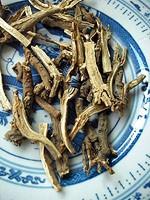
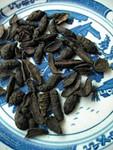
Commonly used herbs: Bupleurum root, nutgrass flatsedge rhizome, turmeric root-tuber, green tangerine peel, albizia flower and bark, Sichuan Chinaberry, rose bud, red peony root and perilla leaf.
These herbs are likely sharp, fragrant, and dispersive in nature. Used alone for long periods, they can consume qi and harm yin aspect of the body. Therefore, they are best combined with herbs that can nourish blood, strengthen the spleen, and calm the spirit to enhance therapeutic results and reduce unwanted effects.
 |
 |
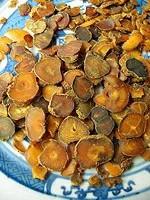 |
| Bupleurum root | nutgrass flatsedge rhizome | turmeric root-tuber |
Liver-soothing remedies can address physical and emotional symptoms that Western medicine often struggles to cover, offering a holistic approach to restoring balance.
2. Resolving or dispelling phlegm
Turbid phlegm is a common pathogenic factor in mental disorders. The pathogen moves with the body’s qi and spreads widely; when it disrupts the heart spirit, then emotions, thinking, and behavior can be affected. In practice, patients may show signs such as a heavy or clouded head, slow reactions, poor memory, excessive sleepiness, lack of energy, emotional flatness, unusual behavior, or even episodes of agitation and mania.
Representative formulas: Citrus & Pinellia Decoction, Warming Gallbladder Decoction, and Cleansing Phlegm Decoction
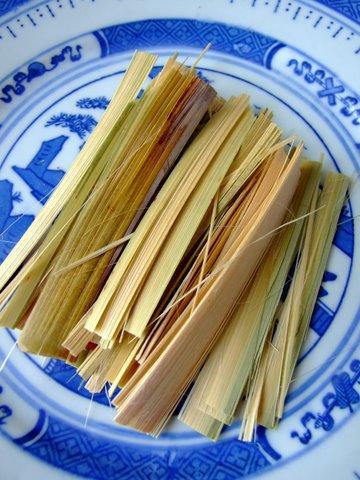
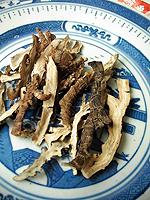
Commonly used herbs: Tangerine peel, pinellia tuber, bamboo shavings, Arisaema with bile, bamboo sap, acorus, Chinese senega, poria, Mongolian snakegourd fruit, immature bitter orange, cow-bezoar, natural indigo and perilla fruit.
 |
 |
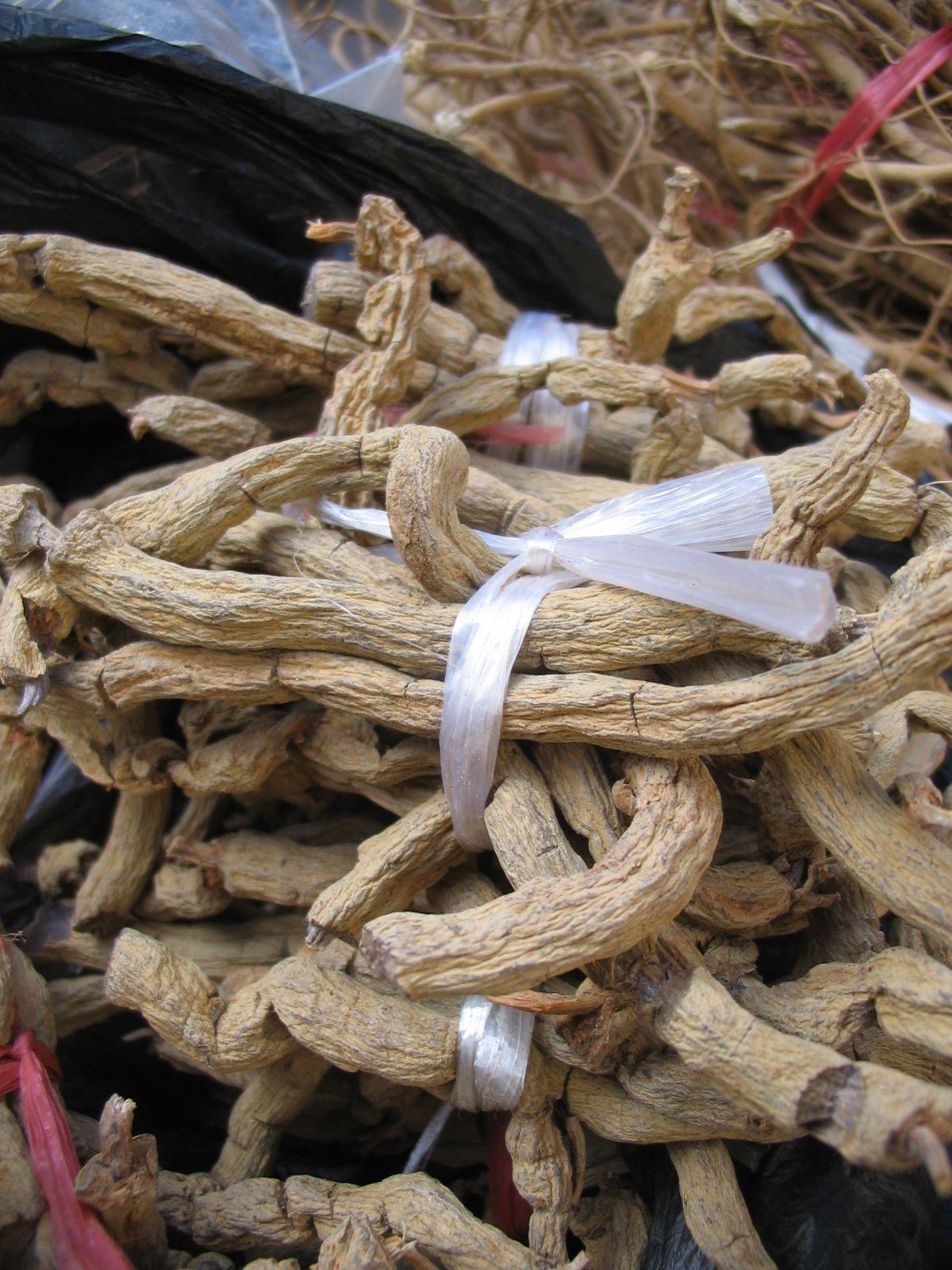 |
| bamboo shavings | acorus | Chinese senega |
Many of the herbs can complement Western medicine by enhancing its efficacy and reducing treatment side effects. For instance, certain antipsychotic medications may cause dry mouth and constipation; when the phlegm‑resolving herbs are combined with yin‑nourishing herbs, the discomforts can be alleviated, improving patient tolerance and overall therapeutic outcomes.
3. Clearing heat and purging fire
Extreme and long-term emotions cause internal injuries, which easily transform into fire evils as the end pathogenic product. Patients often present with irritability, easy anger, flushed face, bitter taste in the mouth, and a taut-rapid pulse. For acute symptoms such as heightened emotions, agitation, and restlessness, heat‑clearing or fire‑purging herbs can quickly stabilize mood. The method is mainly applied in disharmony patterns of excess heat or phlegm‑fire.
- Cold and cooling to purge fire (excess)
Indications: Irritability, insomnia, agitation, restlessness, episodes of mania, and impulsive behavior.
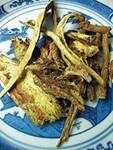
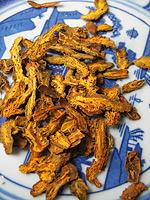
Commonly used herbs: Baical skullcap root, golden thread rhizome, amur corktree bark, gardenia fruit, Chinese rhubarb, Chinese gentian root, unprocessed gypsum and natural indigo.
- Nourishing yin to clear heat (deficient)
Indications: Long-standing conditions with vexation, insomnia, and chronic mania
Representative formulae: Heaven King Heart Nourishing Pellet, and Anemarrhena and Corktree Rehmannia Pill
Commonly used herbs: Anemarrhena rhizome, rehmannia root, figwort root, dwarf lily-turf tuber, asparagus root-tuber, dendrobium and turtle shell.
 |
 |
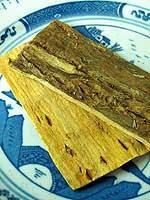 |
| baical skullcap root | golden thread rhizome | amur corktree bark |
The herbs are likely bitter and cold in nature. Used alone for long periods, they may harm the stomach and deplete yin. Therefore, they are best combined with herbs that can nourish yin, regulate qi, and calm the spirit to enhance therapeutic results and reduce unwanted effects.
4. Calming spirit
TCM claims that mental activities rely on the body’s fundamental substances as their material foundation, and on the organs and meridians for functional support. When qi and blood are abundant, the mind stays clear, thinking is sharp, memory is strong, and concentration is steady. Nourishing the heart and calming the spirit help ease restlessness, insomnia, anxiety, and panic attacks. Although emotional problems appear in the spirit, their root cause lies in imbalances of the internal organs. Therefore, calming the spirit is not just about sedation, it is about “regulating the organs to settle the spirit.”
- Tonifying to calm spirit
Indications: Insomnia, frequent dreaming with easy awakening, tendency to cry, vexation, palpitations, heightened startle response and fearfulness, nervous tension, excessive doubt and suspicion, and in severe cases, inability to recognize close from distant relations.
Representative formulas: Restore Spleen Decoction, Liquorice, Wheat & Jujube Decoction, & Calm The Mind Decoction
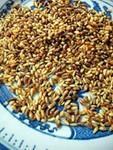
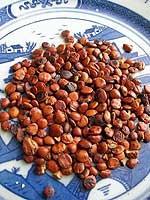
Commonly used herbs: Sour jujube seed, Chinese arborvitae kernel, tuber fleeceflower stem, longan aril, reishi mushroom, and indian bread with pine. (Qi tonics such as Asian ginseng and astragalus root are often selected in the same remedy.)
- Heavy settling to calm spirit
Indications: Severe irritability, difficulty calming down, insomnia with racing thoughts, mania or agitation that are often seen in acute or severe spirit-disturbed patterns.
Commonly used herbs: Magnetite, fossil bone and teeth, oyster shell, iron chippings, amber, red ocher and nacre. (Herbs for clearing heat and pacifying liver are often selected in the same remedy.)
 |
 |
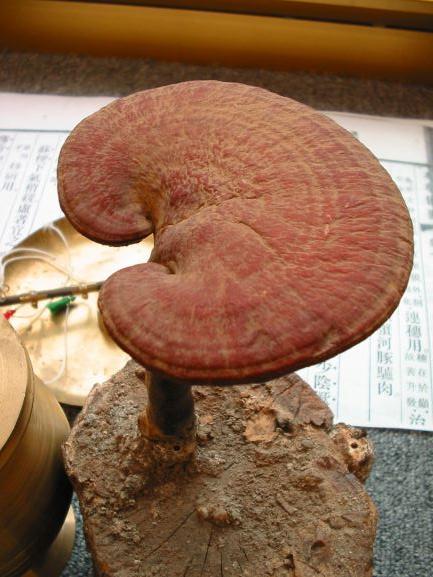 |
| Chinese arborvitae kernel | sour jujube seed | reishi mushroom |
The cooperative value of calming‑spirit methods lies in improving sleep quality, easing anxiety symptoms, and helping some patients reduce the risk of dependence when taking sedative medications.
5. Invigorating blood and resolving stasis
TCM heart governs the blood vessels and houses the spirit, making blood circulation closely tied to mental activity. Blood stasis is both a pathological product and a causative factor; many spirit and mind disorders arise from blood stasis directly or along with other pathogens. Clinically, mild cases may present with irritability, insomnia, sleepwalking, sleep talking, or lower abdominal tenderness. Severe cases can manifest as mania and confusion.
Representative formula: Blood House Stasis Dispelling Decoction, and Peach-stone Purgative Decoction
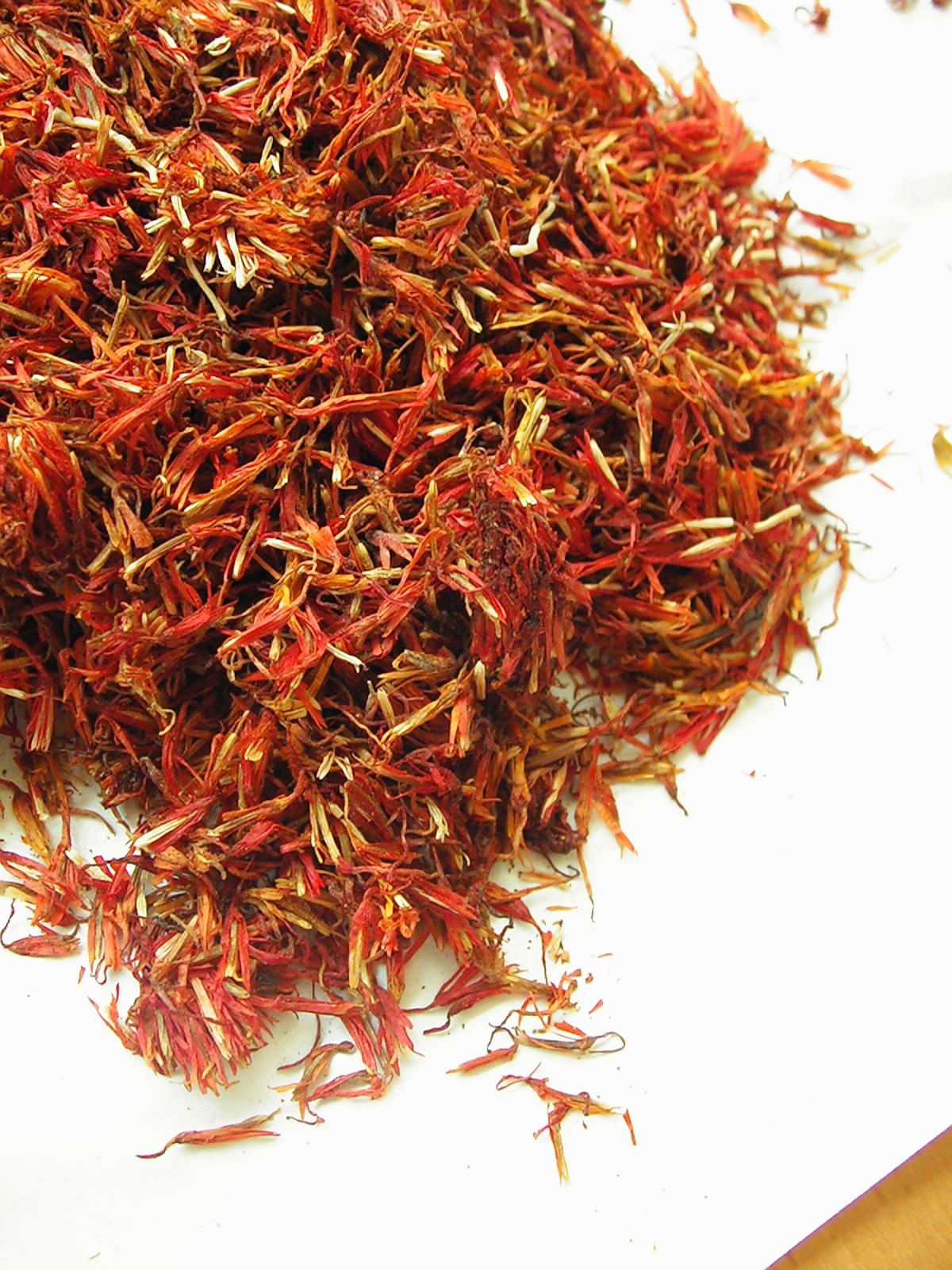
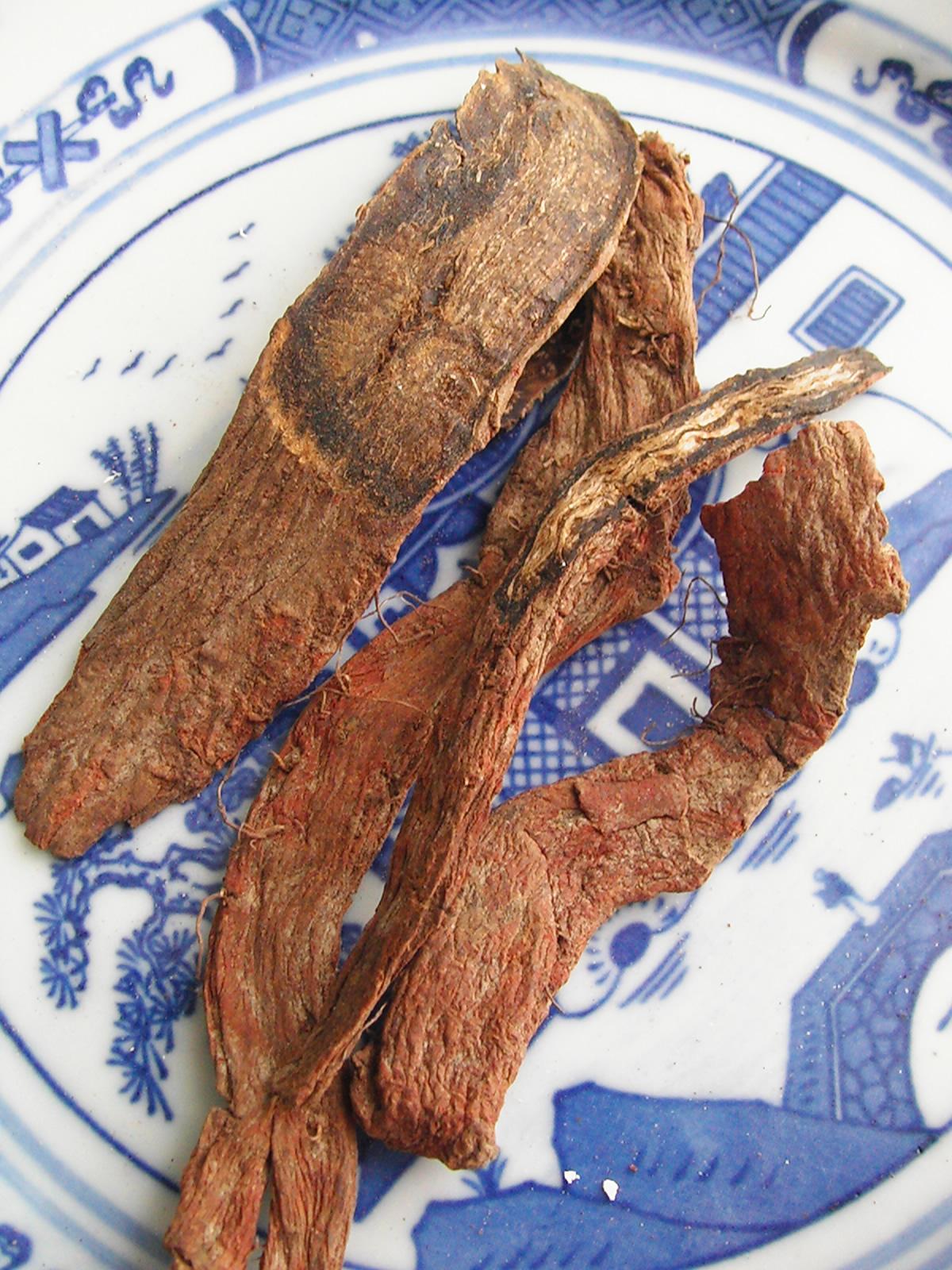
Commonly used herbs: Chinese safflower, peach kernel, red sage root, angelica root, peony root bark, red peony root, Sichuan lovage rhizome, turmeric root-tuber, frankincense, myrrh, dried leech, Chinese rhubarb and dried earthworms.
 |
 |
 |
| Chinese safflower | red sage root | peach kernel |
The herbs are likely pungent, dispersing and harsh in nature. Used alone for long periods, they may consume qi and harm yin. Therefore, they are best combined with herbs that promote qi flow, or heat-clearing and detoxifying to enhance the therapeutic efficacy.
6. Purgation
The purgation method involves promoting bowel movements, clearing heat, draining water, and expelling blood stasis, thereby eliminating pathological products such as stagnation, excess heat, phlegm‑turbidity, and blood stasis through defecation to restore organ function. In TCM, obstruction of the bowel can cause turbid qi to rise upward and disturb the heart spirit. Thus, purgation along with heat‑clearing are often applied in cases of excess evil binding internally, which may lead to irritability, mania or confusion.
Commonly used herbs: Chinese rhubarb, sodium sulfate, and peach kernel.
Purgative herbs are generally strong and harsh in actions, so in clinical practice they are often combined with other herbs, to enhance efficacy and reduce unwanted effects.
7. Supplementary or tonifying method
By supplement the body's yin, yang, qi, and blood aspects, it helps improve various deficient symptoms. Mental states suitable for this method include: long‑term low mood, loss of interest, fatigue with reluctance to speak; anxiety and tension accompanied by palpitations, insomnia, and warm palms and soles; lack of energy, declining memory, and slowed reactions; as well as emotional problems arising after illness, postpartum, or during old age.
- Tonifying qi
For fatigue with reluctance to speak, timidity with easy startle, emotional indifference, slowed thinking, mental exhaustion, and scattered attention.
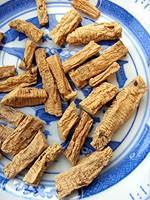
Common herbs: Pilose asiabell root, astragalus root, pseudostellaria root, and liquorice root.
- Tonifying blood
For absent‑mindedness, timidity with easy startle, excessive sensitivity and sentimentality, insomnia with frequent dreaming, forgetfulness, impoverished thought content, and scattered attention.
Common herbs: Angelica root, donkey-hide gelatin, fleeceflower root, white peony root and processed rhemannia rhizome.
- Tonifying yin
For long-lasting or recurring conditions, patients often experience vexation, restlessness, hot flushes, and irritability that stem from underlying weakness. Their thoughts may feel scattered and chaotic, and mental fatigue tends to worsen at night. Some may also develop tidal fever or night sweats.
Common herbs: Dwarf lily-turf tuber, schisandra, Siberian solomonseal rhizome, figwort root, rehmannia root, coastal glehnia root, and turtle shell.
- Tonifying yang
For aversion to cold, emotional indifference, extreme timidity and withdrawal, depression, fearfulness, markedly slowed thinking, mental blankness, and excessive sleepiness with drowsiness.
Representative formulae: Restore the Right (Kidney) Pill, Regulate the Middle Pill, and Cassia Twig & Liquorice Decoction
Common herbs: Aconite root, cassia bark and hairy deer horn.
 |
 |
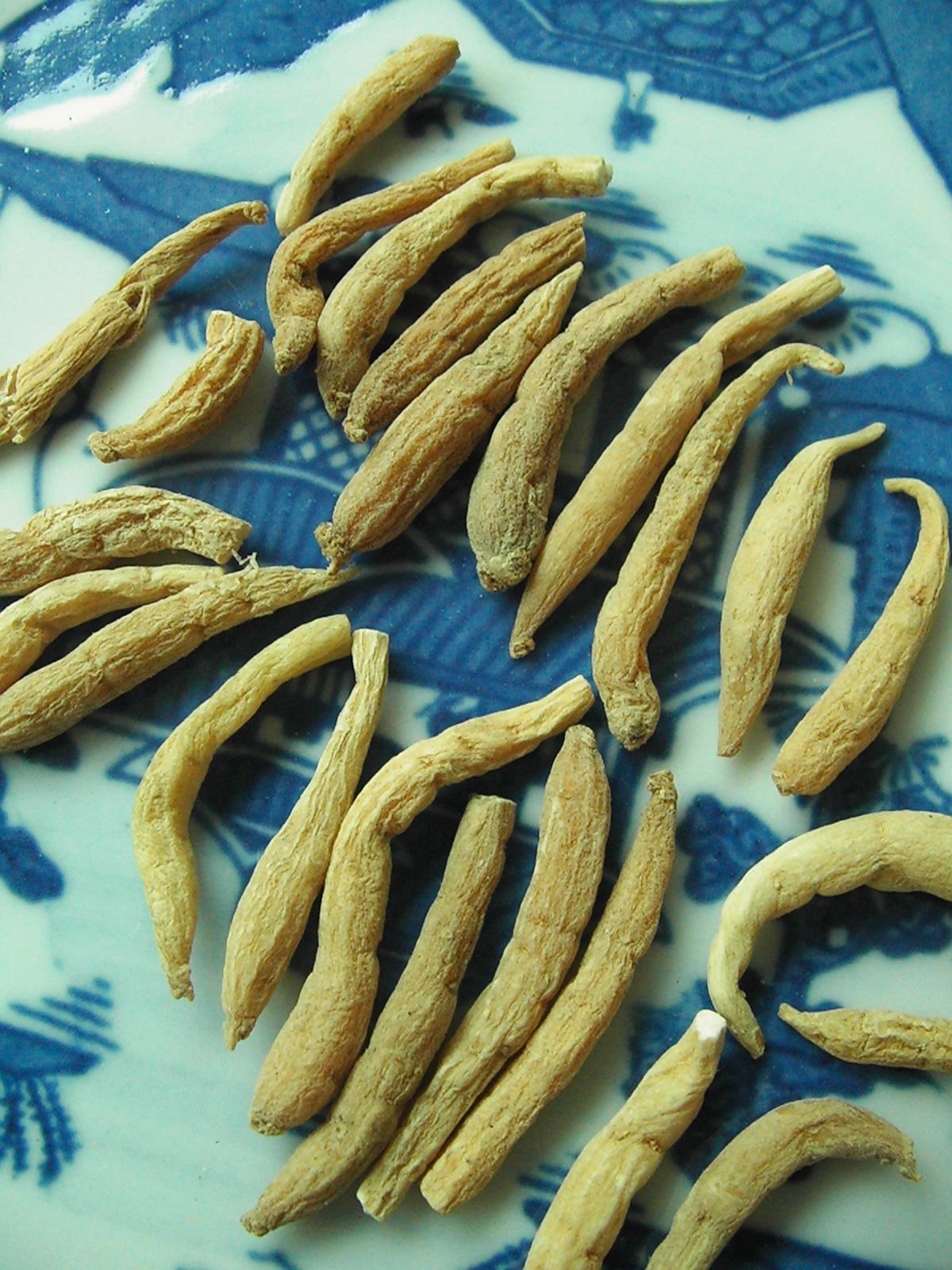 |
| astragalus root | pilose asiabell root | pseudostellaria root |
TCM tonifying methods can make up for the limitations of Western medicine in addressing fatigue, negative symptoms (meaning the loss or weakening of normal functions in mental illness), and certain medication side effects.
In summary, TCM treatment for spirit and mind disorders emphasizes identifying which organ system is affected and whether there is a deficiency in yin, yang, qi, or blood. Based on this differentiation, herbs are flexibly selected and combined, supporting the body when needed, or expelling pathogenic factors when appropriate. TCM physicians do not simply suppress symptoms but restore organ function so the body can naturally regain mental and physical calm. Acupuncture, qigong, and external herbal applications are often used together with herbal prescriptions, creating a comprehensive therapeutic approach.
Clinical experience suggests that when antipsychotic drugs have limited effect on negative symptoms such as apathy and social withdrawal, they can be complemented with warming‑yang, phlegm‑resolving, and liver–kidney tonifying herbs. For example, kidney‑tonifying herbs like morinda root and epimedium may help reduce fatigue and regulate neurotransmitter activity. Spleen‑strengthening and qi‑tonifying formulas can improve gut–brain axis function, indirectly supporting mood. Antidepressants often cause side effects such as dry mouth and constipation; yin‑nourishing and tonic herbs can ease these discomforts and improve adherence. Long‑term use of antipsychotics may lead to endocrine disorders such as amenorrhea, for which well‑known over‑the‑counter products like Free and Easy Wanderer Powder and Black Chicken White Phoenix Pill are sometimes used to help regulate drug‑induced amenorrhea.
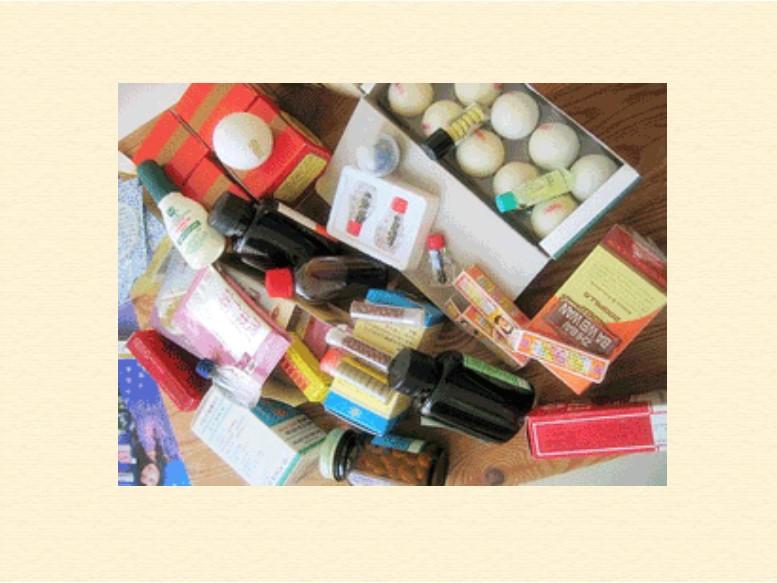 Many herbal suplements are avaliable in the market for general enhancement.
Many herbal suplements are avaliable in the market for general enhancement. 

 interprets emotional, cognitive, and behavioral disorders—k...)