Mental Disorders from a Chinese Medicine View
Differences in ways of thinking have shaped the distinctions between Traditional Chinese Medicine (TCM), Western medicine, and other medical systems. TCM’s understanding and treatment of life phenomena are deeply rooted in Chinese culture, forming its unique terminology, theoretical framework, and practical methods.
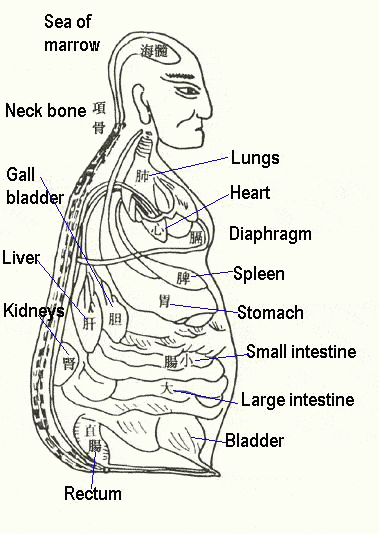
When we speak of emotion, memory, thought, or mental states, modern perspectives often approach them through the lens of brain function and psychology. In contrast, TCM does not regard mental and psychological activity as belonging solely to the brain. Instead, it sees them as closely connected with the entire organ system, reflecting a holistic mode of regulation.
In TCM, mental activities including consciousness, thinking, memory, and emotions are collectively referred to as spirit and mind (shen zhi). As early as the classic the Yellow Emperor’s Classic of Internal Medicine (huang di nei jing), these activities were already described and systematically integrated into the theory of the internal organs. This laid the foundation for what later became known as the “Five Spirits Theory” (wu shen).
The Lung stores the corporeal soul (po)
The liver stores ethereal soul (hun)
Clinical meaning:
The kidney stores willpower (zhi)
Clinical meaning:
Clinical meaning:
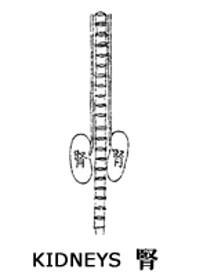
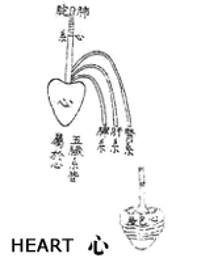
In TCM, the classification of the Five Spirits does not mean that each mental activity is handled by a single organ in isolation. Instead, it emphasizes the close cooperation among the five organ systems, with the heart (shen) acting as the commander. When the Five Spirits are well-coordinated:
This holistic view shows how TCM links mental clarity and emotional stability to the harmony of organ systems. It parallels modern psychology’s idea that cognition depends on multiple interconnected processes rather than a single function.
The Cognitive Process in TCM Terms
This framework emphasizes that cognition is not a linear chain but a simultaneous and interactive process, requiring harmony among the organs and the vital substances (essence, qi, and blood). When balance is maintained, mental clarity and emotional stability follow; when disrupted, cognitive and psychological disturbances may arise. For example:
The Five Spirits Theory
In TCM, mental or psychological activities are not viewed as solely controlled by the brain. Instead, they are closely connected to the functions of organ system (zang organs) and the flow of qi (vital energy) and blood. There are Five Spirits, known corporeal soul (po), ethereal soul (hun), intellect (yi), willpower (chi) and spirit (shen), that represent different levels of mental activity and are associated with the heart, liver, lung, spleen, and kidney systems respectively. Although each has a unique role, they work together as an integrated system, coordinating thinking, emotion, memory, sleep, and behavior.
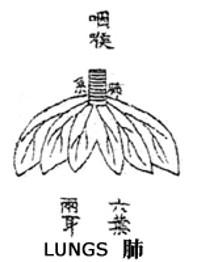
The Lung stores the corporeal soul (po)
The corporeal soul associated with the lung refers to instinct, sensation, and immediate bodily reactions. The main functions include:
- Instinctive actions: crying and sucking in newborns, heartbeat, breathing, and limb movement
- Basic sensory perception: hearing, vision, and skin sensations (cold, heat, pain, itch)
- Motor coordination: maintaining accurate and coordinated physical movements
Clinical meaning:
- Strong lung qi → sharp senses, precise movements, quick instinctive reactions
- Weak lung qi → dull senses, slow reactions, fatigue, fear of cold, low vitality, and sadness (In TCM, the lung is associated with grief)
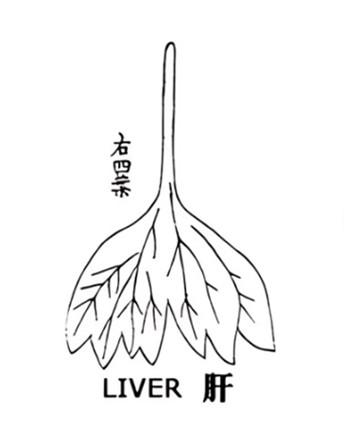
The liver stores ethereal soul (hun)
The ethereal soul associated with the liver refers to higher-level, non-instinctive mental and psychological activities. The main functions include:
- Emotional regulations:managing emotional changes such as joy, anger, sadness, and happiness (when liver functions are balanced, emotions are stable and flexible)
- Thinking and planning: strategic thinking, decision-making, creativity and imagination
- Dream activity: mental activity during sleep, aspects of the subconscious mind
Activities such as imagination, creative thinking, planning, strategizing, dreaming are all considered the functions of ethereal soul, which allows us to envision possibilities beyond immediate reality.
Clinical meaning:
- Adequate liver blood → calm emotions and stable sleep
- Liver blood deficiency or excessive liver fire → vivid dreams, nightmares, anxiety, irritability, chaotic thinking, depression, and even hallucinations
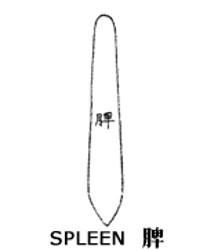
The spleen stores intellect (yi)
The intellect associated with the spleen refers to focused thinking, attention, and short-term memory. The main functions include:
- Holding information after perception
- Initial processing and understanding of new information
- Serving as the starting point of thinking
Clinical meaning:
- Strong spleen qi → good concentration and stable thinking
- Weak spleen qi → poor focus, slow response and short-term memory problems (overthinking or excessive mental work is believed to damage the spleen in TCM)
The kidney stores willpower (zhi)
The willpower associated with the kidney encompasses long-term memory, willpower, and the ability to carry decisions into action. The main functions include:
- Transforming accumulated impressions into long-term memory
- Supporting determination and endurance
- The kidney stores essence; essence produces marrow and fills the brain
Clinical meaning:
- Strong kidney essence → stable memory, firm will, sustained thinking
- Weak kidney essence → forgetfulness (especially long-term memory), indecisiveness, lack of motivation, fear and withdrawal (In TCM, the kidney is associated with fear)
The heart stores spirit (shen)
The spirit associated with the heart is the highest level of mental activity and the ruler of the Five Spirits. The main functions include:
- Overall consciousness and self-awareness
- Integrating and coordinating the corporeal soul (po), ethereal soul (hun), intellect (yi), and willpower (chi)
- Governing judgment, wisdom, and mental clarity
Clinical meaning:
- Clear heart spirit → alert mind, and sharp thinking
- Excess heart fire → insomnia, restlessness, agitation, and manic behavior
- Under-nourished or disturbed spirit → confusion, disorganized thinking, emotional instability
In TCM, the classification of the Five Spirits does not mean that each mental activity is handled by a single organ in isolation. Instead, it emphasizes the close cooperation among the five organ systems, with the heart (shen) acting as the commander. When the Five Spirits are well-coordinated:
- Mental energy is abundant
- Thinking is clear
- Perception is sharp
- Memory and attention are strong
- Imagination and judgment function normally
When the Five Spirits fall out of balance, however, various cognitive and psychological disturbances may appear:
- Restless spirit (shen) → anxiety, agitation, poor sleep
- Unstable ethereal soul (hun) → abnormal imagination, confusion in judgment
- Weak corporeal soul (po) → dulled sensation, sluggish perception
- Deficient intellect (yi) → poor concentration, scattered attention, memory decline
- Impaired willpower (chi) → lack of willpower, difficulty making decisions
This holistic view shows how TCM links mental clarity and emotional stability to the harmony of organ systems. It parallels modern psychology’s idea that cognition depends on multiple interconnected processes rather than a single function.
The Cognitive Process in TCM Terms
TCM has its own understanding of the entire cognitive thinking process — from receiving external information to making final decisions. It links these stages of cognition to the functional activity of the internal organs. The Five Spirits correspond to different psychological functions, each with a clear role. In simple terms, the thinking process can be understood as the cooperation of five interconnected aspects:
- Po (lung) – receives sensory input
- Yi (spleen) – focuses attention and temporarily stores information
- Zhi (kidney) – retrieves memory and evaluates
- Hun (liver) – associates, imagines, and generates possibilities
- Shen (heart) – integrates everything and makes the final decision
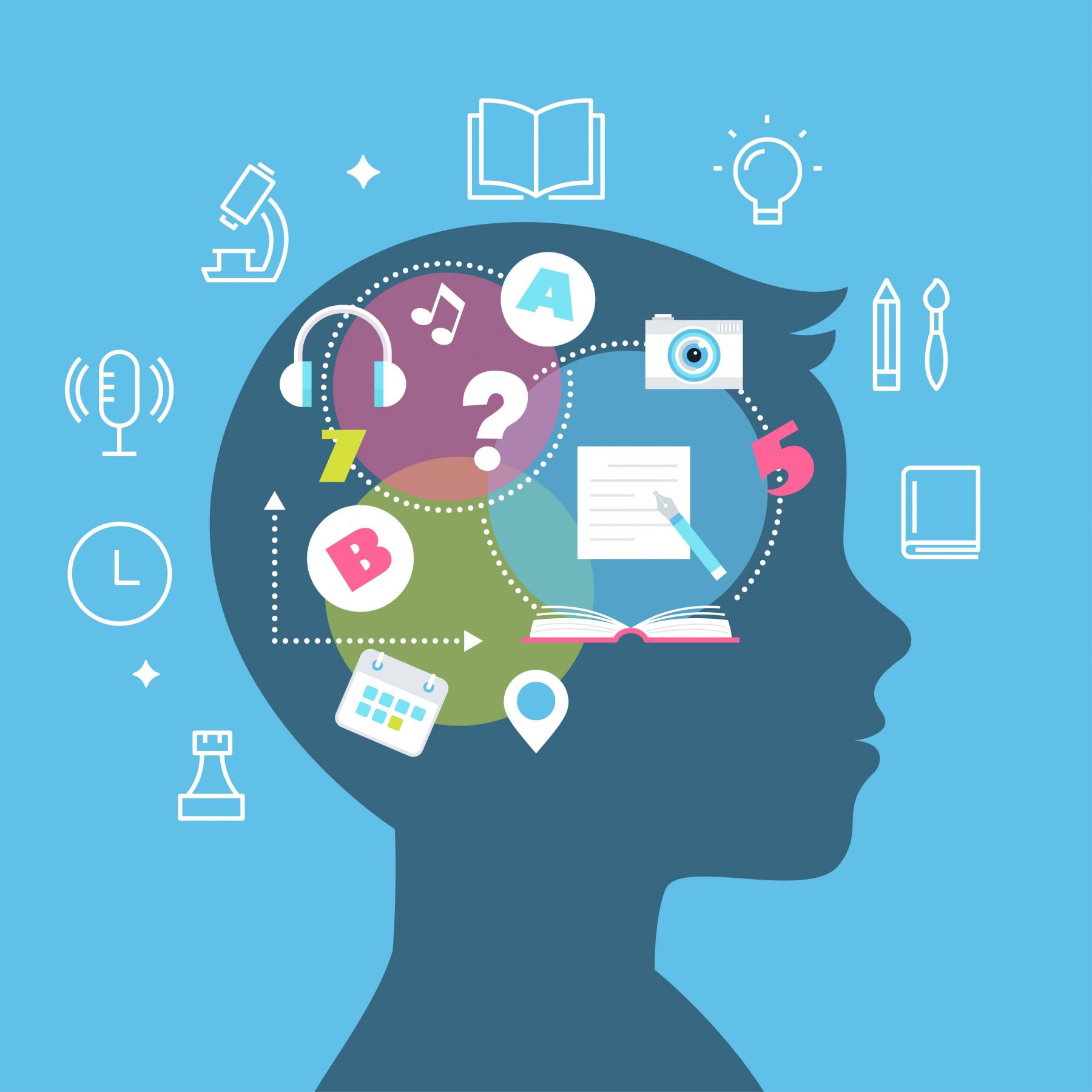
This framework emphasizes that cognition is not a linear chain but a simultaneous and interactive process, requiring harmony among the organs and the vital substances (essence, qi, and blood). When balance is maintained, mental clarity and emotional stability follow; when disrupted, cognitive and psychological disturbances may arise. For example:
- Lung qi deficiency may appear slow reactions or sensory errors
- Spleen qi deficiency may appear distraction or poor memory
- Kidney essence deficiency may appear forgetfulness or lack of determination
- Liver qi stagnation may appear negative thinking or lack of creativity
- Heart blood deficiency may appear poor judgment or mental fatigue
Although the Five Spirits Theory of TCM originates from ancient times, it continues to offer important insights today. The Theory emphasizes that mental health and physical health are inseparable and highlights that healthy mental state as a vital aspect of healthcare. When stress becomes excessive, when overwork persists, or when emotional imbalance lasts for a long time, problems often begin as psychological symptoms and gradually transform into physical discomfort, such as chronic insomnia, chest tightness, or digestive issues.
Unlike approaches that focus only on the brain, TCM considers mental issues from the perspective of whole-body functional balance. Physicians observe specific manifestations in thought and emotion, such as forgetfulness, slow reactions, indecision, or scattered thinking, and use these patterns to identify imbalances in the heart, liver, spleen, lung, and kidney systems. Treatment then aims at holistic regulation and intervention, restoring harmony among the organs. The ultimate goal is to help the individual regain mind–body harmony and achieve a state of dynamic balance between the internal organs and the external environment.
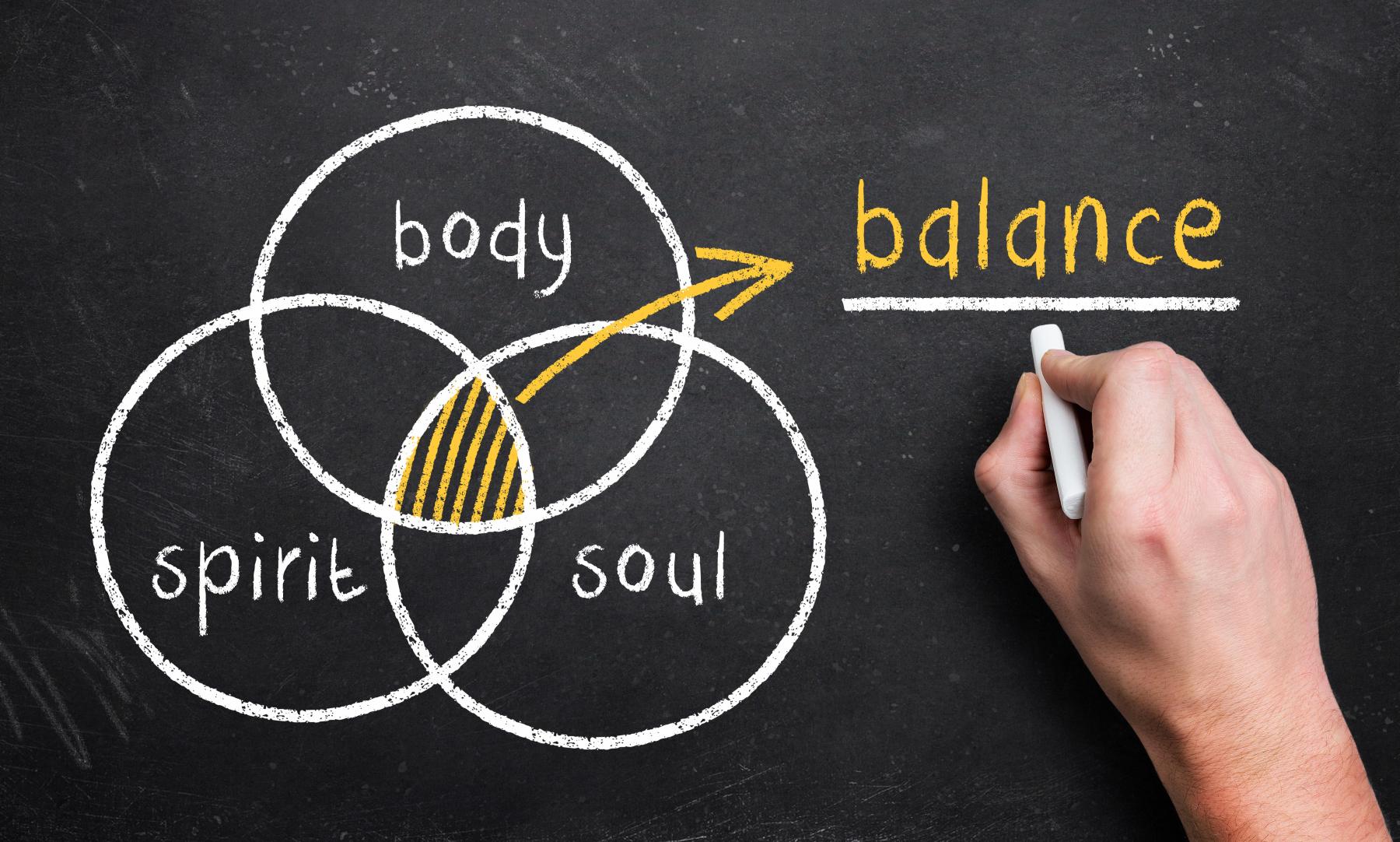
In this view, mental health is understood as a dynamic, observable, and adjustable mind–body state. This holistic perspective, integrating cognition, emotion, and physical function, represents the most enduring and practical value of the Five Spirits Theory in modern life.