About Spirit & Mind Illnesses in Chinese Medicine
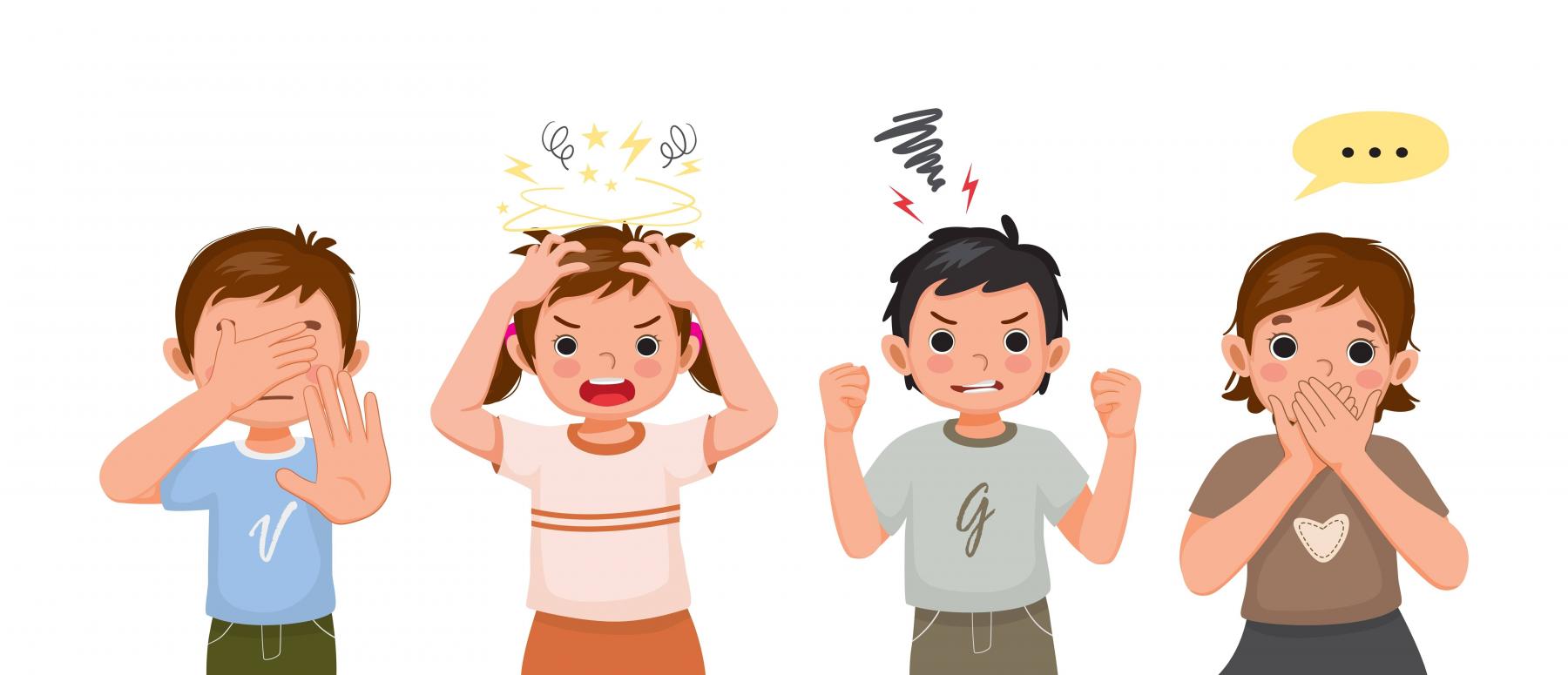
Stress is becoming increasingly common in modern society, and insomnia, anxiety, and depression have become everyday problems. Western medicine often regards these as psychological or brain disorders, but from the perspective of Chinese medicine, these problems are not limited to the brain or psychological level but manifest as overall mind and body imbalance, collectively referred to as "spirit and mind illnesses."
Our mental and physical health go hand in hand, taking care of our spirit and emotions is a key part of staying healthy.
In traditional Chinese medicine (TCM), spirit and mind illnesses refer to a category of health problems characterized mainly by abnormalities in consciousness, cognition, emotion, willpower, behavior, and sleep. Its scope is even broader than modern "mental illness," encompassing not only psychological problems but also neurological symptoms, brain, psychosomatic diseases, and some internal medicine disorders. These can be summarized as follows:
- Mental and behavioral disorders: such as depression, anxiety, panic disorder, obsessive-compulsive disorder, schizophrenia, bipolar disorder.
- Neuro-related issues: such as epilepsy, post-stroke depression, dementia, and emotional issues associated with Parkinson's disease.
- Mind-body interaction issues: such as neurasthenia, stress-related disorders, somatic symptom disorders, and eating disorders.
- Developmental issues in children and adolescents: such as ADHD, tic disorder, and autism-related emotional and behavioral problems.
- Sleep disorders: such as insomnia, drowsiness, sleepwalking, excessive dreaming, and sleep apnea.
- Physical illness or medication effects: For example, thyroid problems causing mood changes, alcohol/drug addiction or withdrawal, post-stroke depression, post-myocardial infarction anxiety.
An important principle in understanding these conditions is that no spirit and mind disorder is regarded as purely psychological. Instead, it is seen as a manifestation of imbalance within the body such as impaired circulation of qi (vital energy) and blood or disharmony among the zang-fu organs.
It can be compared to a car that does not run smoothly: the problem may lie in the engine, tires, or fuel system, rather than solely in the driver’s skill. In the same way, when diagnosing spirit and mind illnesses, TCM physicians not only observe emotional expressions but also examine the overall physical condition to identify underlying imbalances.
Human mental and spiritual activities, such as consciousness, thinking, and emotions, must rely on the physical body (the organs, meridians, and the circulation of qi and blood) in order to exist. At the same time, the body’s vital functions (growth, metabolism, defense, and repair) depend on the guidance and regulation of the spirit. The rise and decline of qi, blood, and body fluids, as well as the smoothness or blockage of the organs and meridians, directly affect emotional stability, concentration, and decision-making ability. Conversely, long-term stress or emotional fluctuations can disturb the flow of qi, leading to physical symptoms such as chest tightness, insomnia, digestive discomfort, and weakened immunity. Therefore, the treatment of spirit and mind diseases often requires a dual approach addressing both body and mind. This may include improving the function of qi, blood, and organs, supporting sleep, relieving stress, and adjusting lifestyle habits, so that overall balance can gradually be restored.
“Treatment based on syndrome differentiation” is the core principle in addressing spirit and mind disorders. The same modern medical diagnosis may correspond to completely different syndrome patterns in different individuals. For example, in depression, one person may present with liver qi stagnation, another with heart and spleen deficiency, and yet another with phlegm-fire disturbing the mind. This illustrates the concept of “different treatments for the same disease,” where therapeutic approaches vary according to the individual’s syndrome pattern. Conversely, when different diseases share similar underlying mechanisms and syndrome patterns, the same therapeutic principles may be applied, known as “same treatment for different diseases.”
Features of TCM in Managing Spirit and Mind Disorders
- Treats both body and mind: Since body and mind are interconnected, TCM addresses physical discomfort and emotional imbalance simultaneously, recognizing their mutual influence.
- Personalized care: Rather than focusing only on the disease name, TCM identifies every individual’s unique imbalance in qi, blood, and organ systems. As a result, two people with the same condition may receive entirely different treatments.
- Root cause focus: TCM aims to strengthen the overall constitution, not merely suppress symptoms, thereby reducing the risk of recurrence.
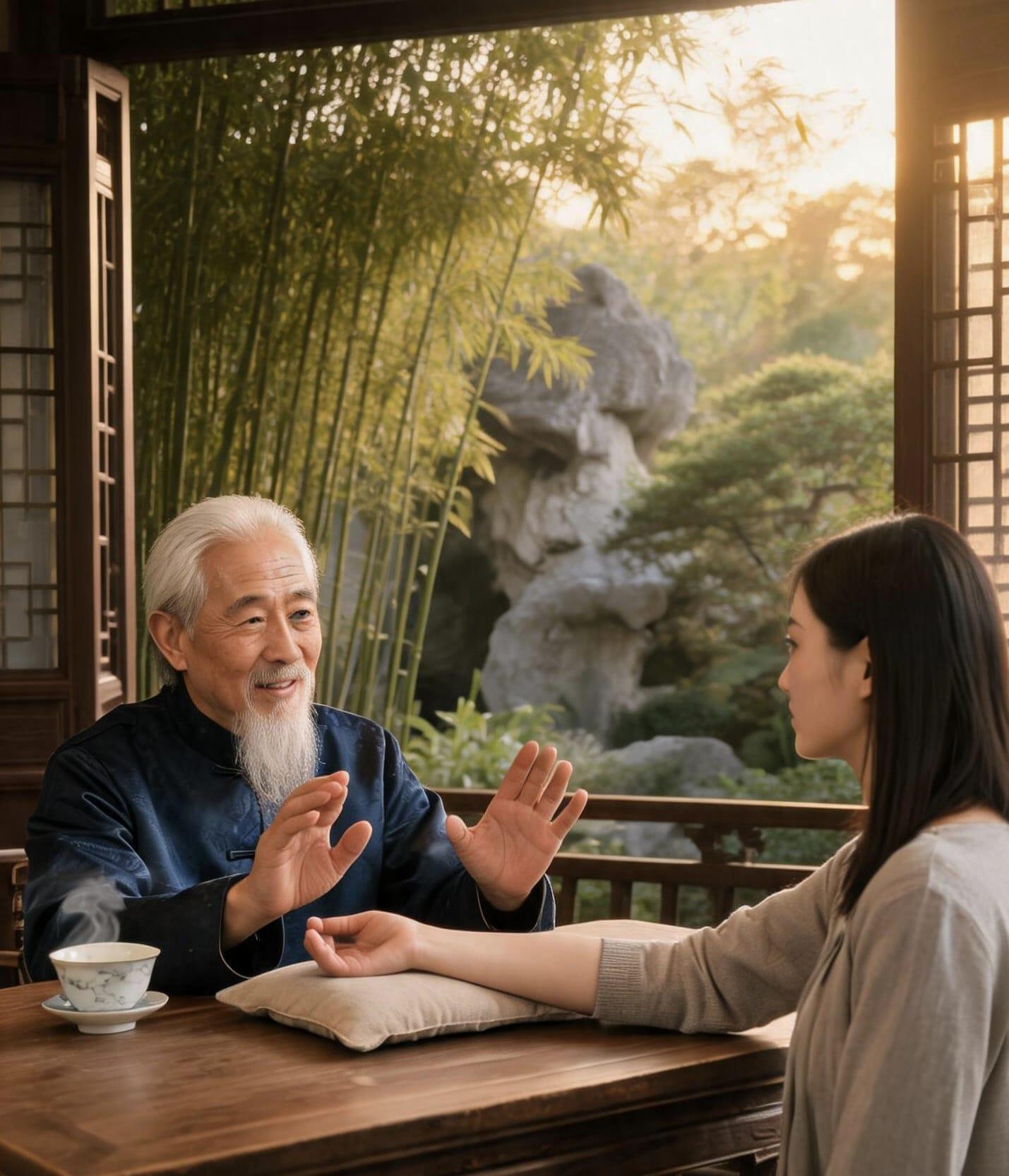
- Variety of methods: Treatment may combine Chinese herbal medicine, acupuncture, meditation, and mind-body practices such as Tai Chi or Baduanjin, tailored to individual needs.
- Reducing stigma and integration with Western medicine: By framing health issues as temporary “imbalances” rather than fixed labels, TCM lowers barriers to seeking care. It can also complement Western medicine, helping to reduce side effects and manage difficult symptoms.
> The Five Spirits Theory
> Common Disharmonies of Spirit & Mind Illness
> Treatment Principles and Herbal Selections for Spirit and Mind Disorders
Main References
- Li QiZhong Compiled, Comprehensive Interpretations of TCM Basic Theories, Public House of Shanghai University of TCM, 2006.
- Li QiZhong Compiled, Detailed Explanation of TCM Basic Theories, Public House of Shanghai University of TCM, 2006.
- Wang Xiang-sheng, Cui Cheng-sen, & Yang A-min (Editors in Chief), Comprehensive Analysis of Classical and Modern Cases of Spirit & Mind Disorders, Beijing: Scientific and Technical Documents Publishing House, 2010.
- Bao Zu-xiao & Zhao Guo-ping (Editors in Chief), Insights into the Diagnosis and Treatment of Mental Disorders, Beijing: People’s Military Medical Press, 2013.
- Zhu Jin-zhong Compiled, Fifty Years of Clinical Experience in TCM, Shanxi Science and Technology Press, 2018.